
| Seattle | Seattle | |
| 2 | Spokane | ~ 230,600 |
| 3 | Tacoma | ~ 228,200 |
| 4 | Vancouver | ~ 199,000 |
| 5 | Bellevue | ~ 154,400 |
| 6 | Kent | ~ 136,600 |
| 7 | Everett | ~ 113,000 |
| 8 | Spokane Valley | ~ 108,300 |
| 9 | Renton | ~ 105,500 |
| 10 | Federal Way | ~ 100,30 |
washington
West
Bob Ferguson: Democratic P:arty
-
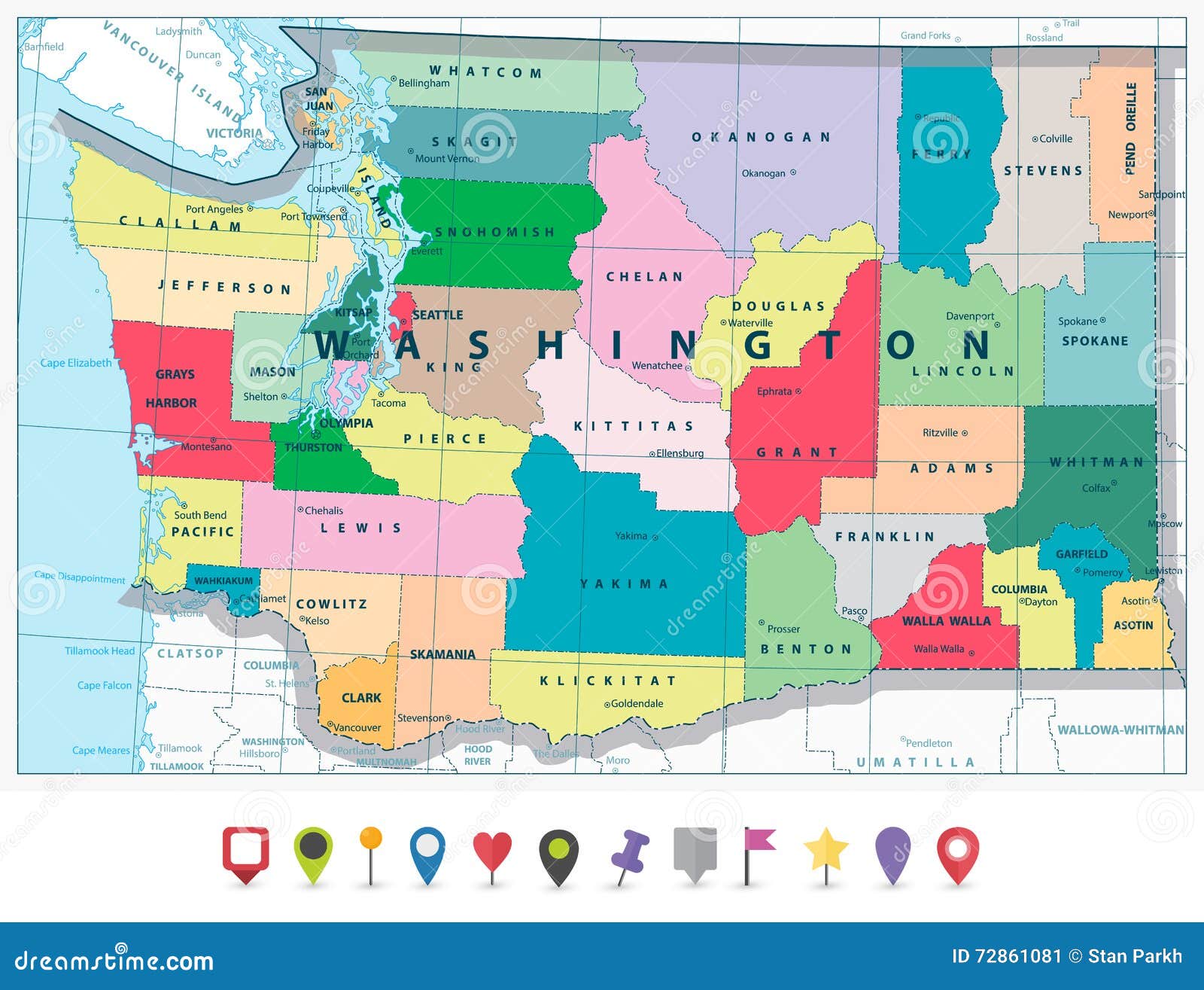
Interstate-5 (I-5): Main north-south corridor near the western edge, connecting cities like Vancouver, Seattle, Tacoma, and Olympia.
-
Interstate-90 (I-90): Runs east-west from Seattle across the Cascades to the Idaho border. It’s Washington’s longest interstate.
-
U.S. Highways such as US 2, US 12, US 101 etc., providing east–west and north–south connections, coastal routes, and mountain pass routes.
-
State Routes:
• SR 20 (North Cascades Highway), one of Washington’s longest state highways, crossing the northern part of the state.
• SR 509 connecting Tacoma and Seattle area via ports and industrial zones.
• SR 305 (via ferry) connects Bainbridge Island to Seattle region.
-
Washington State Fair in Puyallup — large fair with agriculture, rides, concerts, exhibits, and big attendance.
-
Capital Lakefair in Olympia — a summer community festival in mid-July with arts, crafts, parade, fireworks.
-
Washington State International Kite Festival at Long Beach — one of the largest kite festivals in North America, every August.
-
Issaquah Salmon Days — celebrates the salmon run, local culture, food, parade etc. in Issaquah in October.
-
Taste Washington — a wine & culinary festival showcasing Washington's winery scene.
-
Bite of Seattle — food, vendors, community gathering in Seattle in the summer.
-
Autumn Leaf Festival in Leavenworth — celebrating fall colors and seasonal festivities.
Varied climate because of its geography (coast, mountains, rain shadows, etc.).
-
Western Washington (including Puget Sound, Olympic Peninsula) is influenced heavily by the Pacific Ocean. It has mild, wet winters and cool, relatively dry summers. High rainfall especially in the coastal and mountainous zones.
-
Eastern Washington is more continental/semi-arid. Less precipitation, hotter summers, colder winters. The Cascade Mountains block moisture, creating rain shadows.
-
Average for the whole state: about 47.1°F (≈8.4 °C) as annual mean temperature. Precipitation averages around 45 inches (≈1140 mm) per year when accounting for mountainous terrain.
-
Big variation: places like Quinault (on windward Olympic side) get huge rainfall; places just across the mountains like Sequim are much drier.
| Mes | 2025 | 2026 |
|---|---|---|
| Enero | Lunes 13 | Sábado 3 |
| Febrero | Miércoles 12 | Domingo 1 |
| Marzo | Jueves 13 | Martes 3 |
| Abril | Sábado 12 | Miércoles 1 |
| Mayo | Lunes 12 | Viernes 1 |
| Junio | Miércoles 11 | Lunes 29 |
| Julio | Jueves 10 | Miércoles 29 |
| Agosto | Sábado 9 | Jueves 27 |
| Septiembre | Domingo 7 | Sábado 26 |
| Octubre | Lunes 6 | Domingo 25 |
| Noviembre | Miércoles 5 | Martes 24 |
| Diciembre | Jueves 4 | Miércoles 23 |